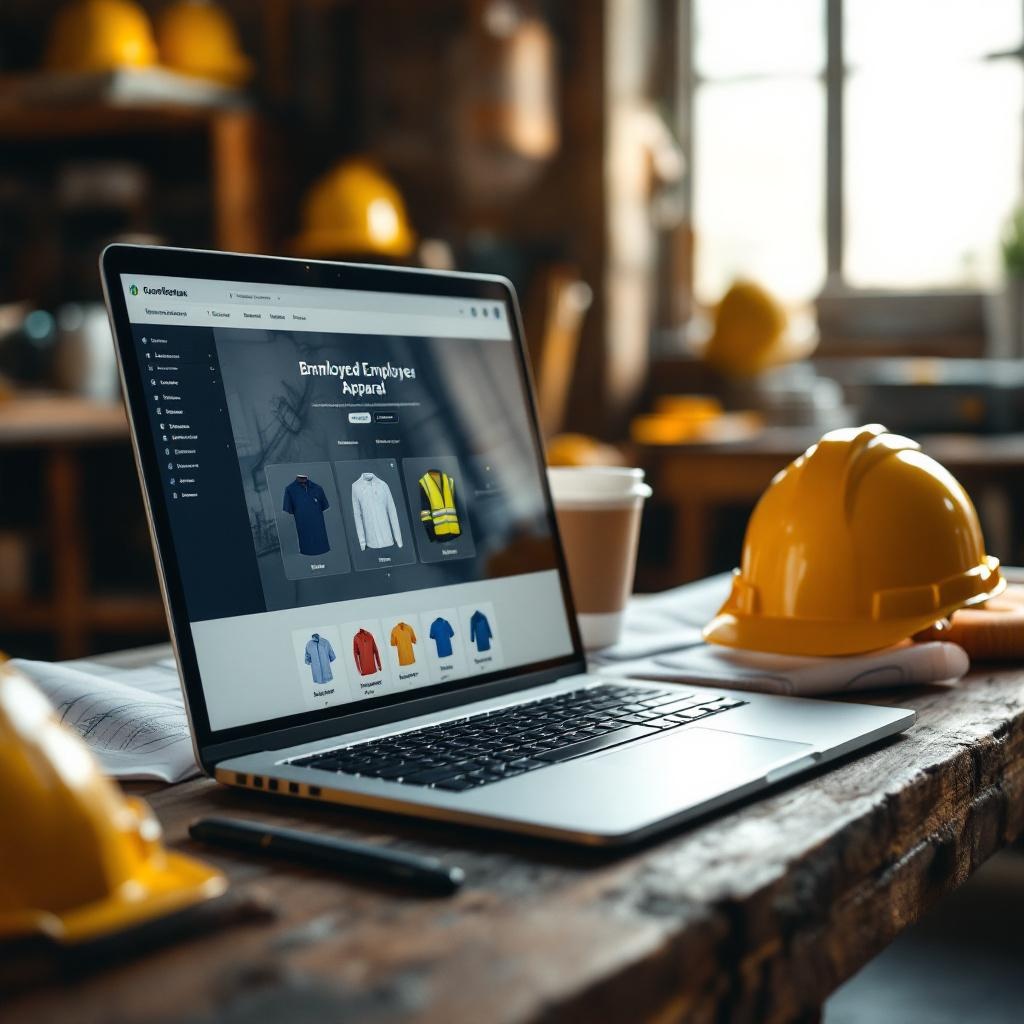
A company store is one possible online ordering model for an apparel program. Its catalog, users, budgets, approvals, payment, inventory, production, fulfillment, reporting, and administration depend on the selected platform and written terms.
Discovery starts with roles, ordering needs, brand standards, proposed products, locations, and target dates. Bighorn can then scope a proposal and request production terms from partners. Employers remain responsible for protective-apparel selection and approval.
Allowances can be useful when the selected platform supports them. Define who receives a balance, when it renews, which products are eligible, who pays overages, and what administrators can review. A similar ruleset can support branded onboarding kits, replacement gear, milestone awards, or project-specific apparel.
Larger teams may need user provisioning, role-based access, HR data exchange, or coordination with a laundry provider. These are separate integration and operating requirements, not assumed store features. The proposal must identify the system of record, supported data flow, security responsibilities, and acceptance tests before implementation.
Reporting requirements should be defined before the store is approved. Ask for sample reports covering the fields your finance and operations teams need, along with export format, cadence, access, retention, and any additional cost. Setup and recurring fees are confirmed in the written proposal.
Want the full walkthrough? See our company store setup guide for Las Vegas trades. Or read company stores vs bulk ordering to see when each model fits. Still deciding whether branded apparel pays off at all? Read is branded apparel worth it for a service business.