Decoration Method
DTF printing in Las Vegas for small runs, full-color logos, and mixed orders.
Direct-to-film transfers handle short runs, detailed artwork, and orders that mix tees, hoodies, and workwear. We also quote DTG and dye sublimation when they fit the job better.
What You Get
A decoration method built for variety, not volume.
The method
A design is printed onto PET film, combined with adhesive, cured, and heat-pressed onto a qualifying garment.
Where it can fit
DTF is worth comparing for smaller runs, detailed artwork, mixed products, and some dark fabrics.
Product compatibility
Compatibility depends on the exact fabric, finish, color, construction, transfer system, application, and manufacturer guidance.
Decoration program
One artwork file may support several qualifying products. Each fabric, garment, placement, and reorder still requires production review.
Method Comparison
DTF vs every other decoration method.
No single method fits every order. Bighorn coordinates a recommendation based on the product, artwork, quantity, care needs, and quote.
| Method | Strength | When to Pick It |
|---|---|---|
| DTF | Full-color transfer on compatible products | Orders where the approved art, product, and transfer system align |
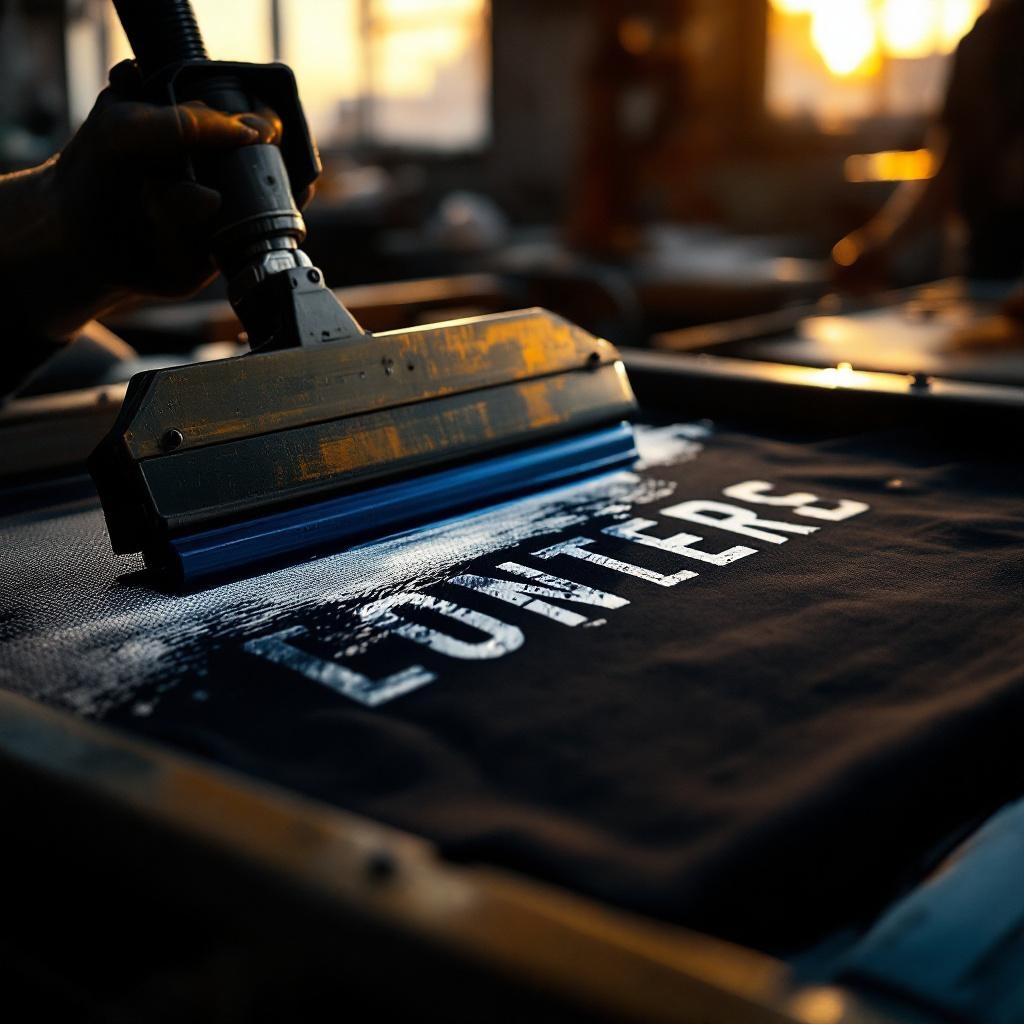
| Screen printing | Spot-color inks, very large runs | High-volume single-design runs (50+), bold one-to-three color graphics |
| Embroidery | Stitched thread, dimensional finish | Polos, jackets, hats, FR garments, premium logo placement |
| DTG (direct-to-garment) | Inkjet directly onto cotton | Cotton-only runs, photo prints; struggles on poly and dark fabrics |
| Sublimation | Dye into white polyester only | White or light polyester; cannot decorate cotton or dark fabric |
| Heat-transfer vinyl | Cut vinyl applied with heat | Names, numbers, simple shapes; not for full color or fine detail |
Where DTF Wins
Six order patterns DTF was built for.
Small-run team apparel
DTF can be worth comparing for smaller full-color orders. The quote confirms minimums and setup charges.
Photo + gradient logos
Brand marks with shadows, gradients, or photographic elements that screen printing can't hold cleanly.
Mixed garment programs
One artwork file may support several qualifying tees, hoodies, polos, hats, or tote bags.
Dark-fabric decoration
A white underbase can support full-color artwork on some black, navy, charcoal, or forest garments.
Event and gang-sheet orders
Gang sheets can support some event or name-addition workflows. Confirm transfer, application, and storage requirements.
Reorder planning
Ask whether approved transfers can support future reorders. Product availability and application terms still apply.
The Buyer's Read
DTF printing for Vegas teams, events, and small-batch programs.
Direct-to-film printing creates a transfer that a production partner applies to a compatible product. The process can support full-color artwork on some light and dark garments. Compatibility, feel, appearance, and durability depend on the exact transfer system, fabric, finish, application, use, care, and manufacturer guidance.
Screen printing and DTF use different production steps and pricing models. DTF may reduce color-related setup on some smaller or complex-art orders. Screen printing may price better at higher quantities. The actual breakpoint depends on the artwork, product, quantity, partner, and quote.
DTF can reproduce gradients, photographic elements, and complex artwork. Fine detail still depends on resolution, color, transfer, garment texture, and application. Review a proof before approving production.
DTF can support many common apparel fabrics, including some cotton, polyester, and blended products. Coatings, heat sensitivity, seams, texture, and garment construction can change the result. Mixed-product orders require review by product and placement.
Safety-rated garments need a separate written review. Do not add DTF, embroidery, or any other decoration based on a general rule. Verify the exact garment, method, placement, materials, and current manufacturer guidance with the employer's safety professional. For deeper reads, see our DTF vs screen printing comparison, the screen-printing service page, and our welder uniforms guide.
DTF vs DTG vs Sublimation
Three digital methods, one Las Vegas quote.
Direct-to-film, direct-to-garment, and dye sublimation solve different problems. Tell us the garment and the artwork and we quote the method that fits, not the one we happen to run.
DTF · Direct to film
Any fabric, small runs
Full-color transfers on cotton, poly, blends, canvas, and dark garments. Best for short runs, mixed products, and detailed logos.
DTG · Direct to garment
Photo-quality on cotton
Ink printed straight into cotton-rich tees and hoodies with a soft hand. Best for one-offs, samples, and full-color art in low quantities.
Sublimation · Dye sub
Edge-to-edge on polyester
Ink bonded into light polyester for all-over jerseys, performance polos, and event apparel. Nothing to crack or peel. Best on white or light poly.
FAQ
DTF printing questions, answered.
What is DTF printing?
Direct-to-film printing places artwork on a PET film with adhesive, then applies the transfer to a qualifying garment with heat and pressure. It can support detailed, full-color artwork on many products.
DTF vs screen printing: which one should I use?
DTF can fit smaller or detailed orders. Screen printing can fit larger single-design runs. Compare both methods using the exact product, artwork, quantity, care needs, setup, and quoted price.
How durable is a DTF print?
Durability depends on the transfer system, application, garment, wash process, and care. Follow the written care instructions for the approved product and decoration.
What fabrics can you DTF on?
DTF can work on many cotton, polyester, blend, denim, canvas, and synthetic products. Coatings, heat sensitivity, seams, and construction can affect suitability. Confirm the exact garment before production.
Can DTF print on FR garments?
Do not assume a standard DTF transfer is acceptable on a safety-rated garment. The employer and safety professional should verify the garment, decoration method, placement, and current manufacturer guidance in writing.
What's the minimum DTF order?
Minimums and setup charges depend on the product, artwork, quantity, decoration specification, and production partner. Bighorn confirms current terms in the quote.
Where can I get DTF printing in Las Vegas?
Bighorn Threads provides Las Vegas account management and coordinates DTF decoration through production partners. Send your artwork, product list, quantity, and needed date for review.
Do you offer DTG printing in Las Vegas?
Yes. Direct-to-garment (DTG) prints ink straight into cotton-rich tees and hoodies and suits photo-style or full-color artwork in small quantities. Bighorn quotes DTG alongside DTF so you can compare cost, feel, and durability on the exact garment.
Do you do dye sublimation printing in Las Vegas?
Yes. Dye sublimation bonds ink into white or light polyester, so it is the right method for all-over jerseys, performance polos, and event apparel that needs edge-to-edge color. Bighorn coordinates sublimation through Las Vegas production partners and confirms garment, artwork, and timing in your quote.
What is the difference between DTF and heat-transfer vinyl?
Both are heat-applied. DTF prints a full-color design onto film that is pressed onto the garment, so it handles detailed logos and gradients. Heat-transfer vinyl is cut from solid-color sheets, so it suits names, numbers, and simple shapes rather than full-color artwork.
Do you offer heat-press transfer services in Las Vegas?
Bighorn coordinates heat-applied decoration, including DTF transfers and heat-transfer vinyl for names and numbers, through Las Vegas production partners. Send the artwork, garment, and quantity, and the quote confirms the method, minimum, and timing.