
Bulk Ordering vs Company Store: The Real Math for Contractors
Bulk and company-store programs solve different ordering problems. Compare both with your real roster, process, and written costs.
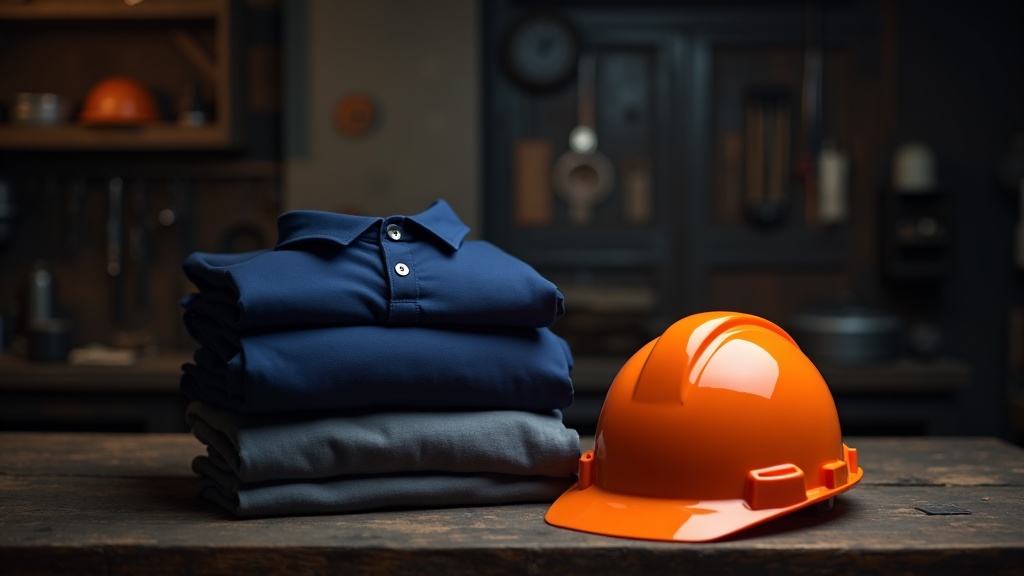
Bulk ordering can work well for a defined roster and product list. A company-store program may help with recurring, role-based orders. The right choice depends on your operations and quote.
The question isn't "bulk or company store." The question is "what does my actual cost per wearable piece look like once I account for everything that goes wrong." That's where the math gets interesting.
1. The Hidden Costs of Bulk Ordering
Start with the invoice, then review four operational costs that may affect your program:
Wrong sizes
Estimated size curves can miss your actual roster. Collect sizes when possible and decide how your team will handle exchanges and unused garments.
Shelf storage
Bulk apparel requires storage, counts, distribution, and reorder ownership. Estimate the space and staff time from your own process.
Turnover & dead inventory
Hiring and turnover can change the size mix. Review your replacement policy and unused-garment history before setting a buffer.
Logo changes & discontinued colors
Rebrands and discontinued products can make stored garments harder to use. Keep the buffer tied to a documented need.
Key takeaway
Include unused garments, storage, and internal handling when you compare options.
2. How Company Stores Actually Work
A proposed branded company store could present approved products and support size or order submission. See the contractor store planning guide.
There are three main ways to fund the store:
- Company-paid. Company pays for everything, usually with an annual allowance per employee (depending on role).
- Employee-paid. Employees buy their own gear at cost or slight markup. Works well for discretionary items like hoodies and hats.
- Hybrid. Core required items (safety vests, hi-vis tees, PM polos) are company-paid. Everything else is employee-paid.
Hybrid funding is one option to evaluate. The buyer must approve required items, employee-paid items, payment handling, and program terms before implementation.
Fulfillment model
Inventory ownership, decoration schedule, packaging, delivery, and internal handling depend on the selected program. Confirm each responsibility in writing before launch.
3. Crew Size Thresholds — When Each Makes Sense
There is no universal crew-size threshold. Use these operational questions instead:
- Roster. Are sizes and roles stable enough for a planned bulk order?
- Order frequency. Do you place recurring orders throughout the year?
- Approvals. Who controls products, artwork, allowances, and purchasing?
- Fulfillment. Who stores, packs, delivers, and resolves exceptions?
4. New-Hire Onboarding — The Killer Use Case
New-hire ordering is one use case to evaluate during program design.
With bulk ordering, new-hire onboarding means somebody in the office walks to the closet, guesses at sizes, and hands the new hire a stack of gear on day one. Half the time the sizes are wrong and the office manager is back in the closet by lunch.
A company store can support new-hire size submission.
5. Cost Comparison With Real Numbers
Every order and program requires a current quote. Compare the same products, decoration, quantities, fees, delivery, storage, and staff time. A company store may reduce some internal handling, but the written setup defines the result.
Pro tip
Run the numbers on your last bulk order. Count the pieces still sitting on the shelf. Divide the invoice total by the number that actually got worn. Most contractors are surprised by what they find.
6. When You Should Still Bulk Order
Company stores aren't always the answer. You're better off with a straight bulk order when:
- One-off events. Groundbreakings, topping-outs, company BBQs, and charity walks. Order 50 tees, hand them out, done.
- Seasonal promotional runs. Giveaway gear for trade shows or community events where the logo is the point and nobody cares about fit.
- Small, stable crews. Under 15 people, low turnover, same sizes year after year. A store is more overhead than it's worth.
- Specialty items. A premium jacket run for leadership or a limited-edition company anniversary piece.
Some companies use both models. The company store can cover recurring approved products, while bulk orders handle defined events or campaigns. Confirm each program separately.
Curious if a company store makes sense for your crew?
Share your current process and goals. We'll outline a proposal with the applicable products, fees, and responsibilities.
Explore Company StoresThe Short Version
Compare bulk and company-store options with your own roster, order history, internal handling, and written costs. No crew-size threshold guarantees one model will cost less.
If you're growing, hiring, or just tired of managing an apparel closet, stop measuring by invoice and start measuring by worn-piece cost. The answer changes.
Bighorn Threads Team
Bighorn designs company-store proposals and coordinates production and fulfillment through selected partners. Features and responsibilities depend on the written setup. See how we work.