
Embroidery Shop in Las Vegas: How to Pick the Right One for Your Business
A practical guide to choosing a Las Vegas embroidery provider for your crew, business, or trade.
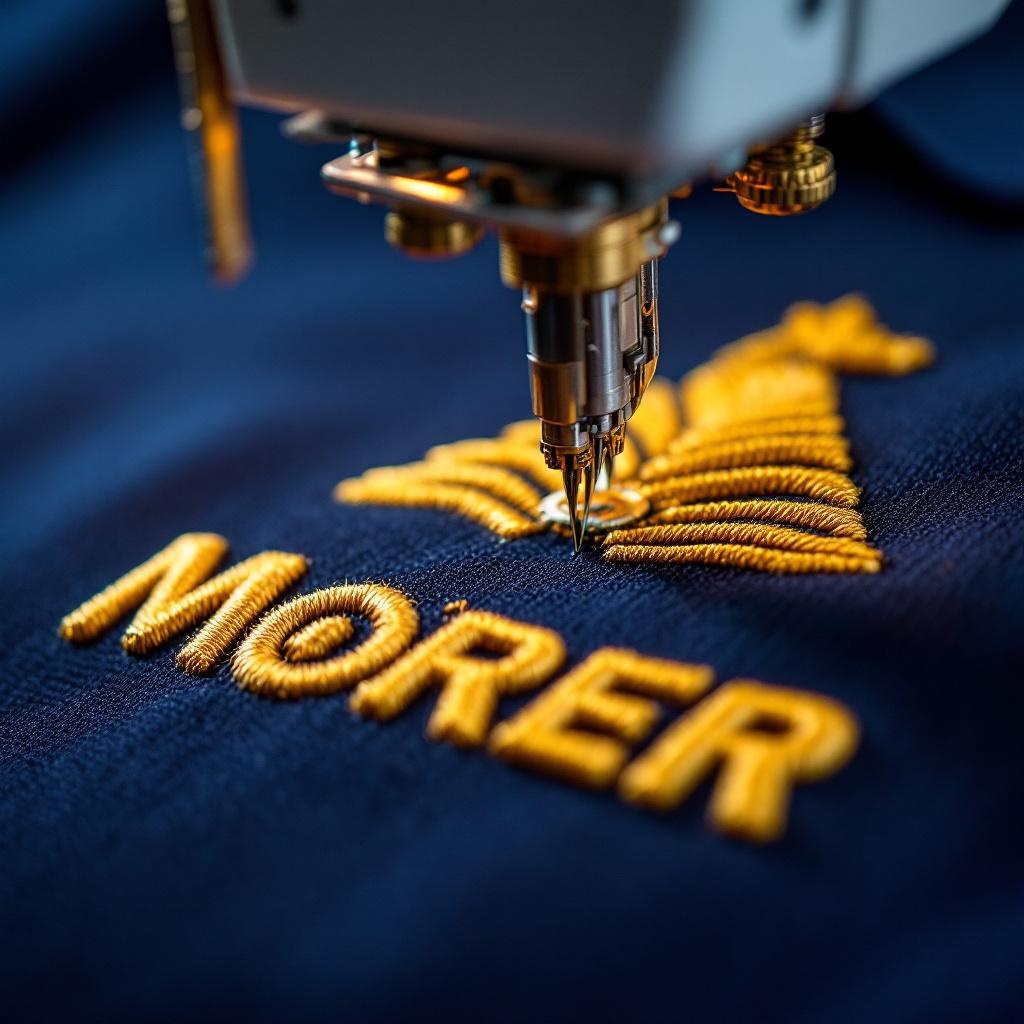
How Do You Pick a Reliable Embroidery Shop for Ongoing Uniform Orders?
Pick the shop that can make the tenth order match the first. Confirm who owns and keeps your stitch file, how thread colors and placements are recorded for reorders, how garment substitutions and backorders are handled, and that every order comes with a proof and written timing. Test the result with a sewn sample before outfitting the whole crew.
Commercial vs Home Embroidery
Not every "embroidery shop" you find on a Google Maps search is built to run business work. The split:
- Small-format provider. May suit samples or small runs. Confirm capacity, proofing, and reorder support.
- Commercial provider. May offer multi-head equipment, garment sourcing, job tracking, and repeat-order file management.
- Large-run provider. May suit higher quantities. Confirm minimums, sample policy, quality controls, and pricing.
What to Evaluate When Picking a Shop
1. Machine capacity
Ask how the provider schedules work, handles machine downtime, and reviews finished pieces. Equipment count alone does not establish a delivery date.
2. Blank garment inventory
Ask whether garments are available now or need to be sourced. Confirm substitutions, backorders, freight, and timing in the written proposal.
3. FR thread capability
Do not treat a thread name as proof that decoration is acceptable. The employer and garment manufacturer should approve the exact thread, backing, needle process, and placement. See our FR apparel planning guide.
4. Digitizing in-house vs. outsourced
Ask who owns the stitch file, how edits are approved, and whether the provider retains it for reorders. Request a sewn sample or production proof when the application warrants it.
5. Turnaround time
Timing starts after product, artwork, proof, price, and payment terms are confirmed. Put the expected production and delivery dates in the proposal. Rush ordering explains common constraints.
6. Trade-vertical experience
For protective apparel, ask the provider to work from the exact garment documents. Your employer and safety lead select the product. The garment manufacturer should approve decoration materials and placement.
Why Vegas Has Specific Embroidery Needs
Las Vegas contractors often need crew apparel, service uniforms, and employer-selected protective garments. Heat, jobsite rules, and project requirements can affect product selection.
A local account contact can help gather those inputs. Production capacity and delivery still depend on the selected partner and written proposal.
Common Vegas Industries Served
- Plumbing & HVAC service techs
- Electrical contractors
- General contractors
- Concrete and masonry crews
- Roofing and solar crews
- Landscaping and grounds maintenance
- Oil, gas, and mechanical contractors
- Steel and iron workers
- Data center contractors
Looking for a commercial embroidery shop in Las Vegas?
Bighorn Threads coordinates commercial embroidery for Vegas contractors, trade businesses, and service companies. Production partners handle embroidery and digitizing for each approved order.
See Our Embroidery Service →