What Is a Company Shirt? A Plain-English Guide to Branded Workwear
A plain-English glossary for owners and managers buying their first batch of branded workwear. What to call them, what they're for, and how to pick the right one for your crew.
What Are Company Shirts Called?
The category goes by several names depending on industry: branded apparel, corporate apparel, custom workwear, uniform shirts, logo wear, or just company uniforms. In trades and construction, "crew shirts" and "service shirts" are common. Promotional industry distributors usually call the broader category "promotional products" or "decorated apparel."
It's worth knowing that "company shirt" is broader than just t-shirts. The category includes polos, button-down work shirts, hoodies, jackets, hi-vis safety apparel, hats, and even branded coveralls.
The Main Types of Company Shirts
Polos
The default for service techs, customer-facing staff, and management. Embroidered chest logo, often with the employee's name. Looks professional at a customer's house, on a sales call, or at a trade show. Port Authority K500 is the workhorse SKU.
T-Shirts
The everyday shirt for field crews. Heavyweight cotton or moisture-wicking poly blends, screen-printed back logo, smaller chest logo. Carhartt K87 and Bayside 5100 are the heavyweight standards. See our guide on screen printing vs. embroidery for which decoration to pick.
Work Shirts
Mechanic-style button-down shirts may suit HVAC, plumbing, mechanical, and customer-facing service roles. Compare the exact garment, decoration, laundry-provider requirements, care, and expected use rather than assuming a universal lifespan advantage.
Hoodies + Jackets
For cool desert mornings, pre-dawn starts, and winter work. Heavyweight cotton-blend hoodies for general use; insulated jackets for the cold months. Embroidered chest logo, sometimes with a screen-printed back.
Hi-Vis Safety Apparel
The employer and safety lead determine whether high-visibility apparel is required for a task or site. Any decoration must follow the exact garment manufacturer's current written instructions and the employer's policy.
Embroidered or Screen-Printed?
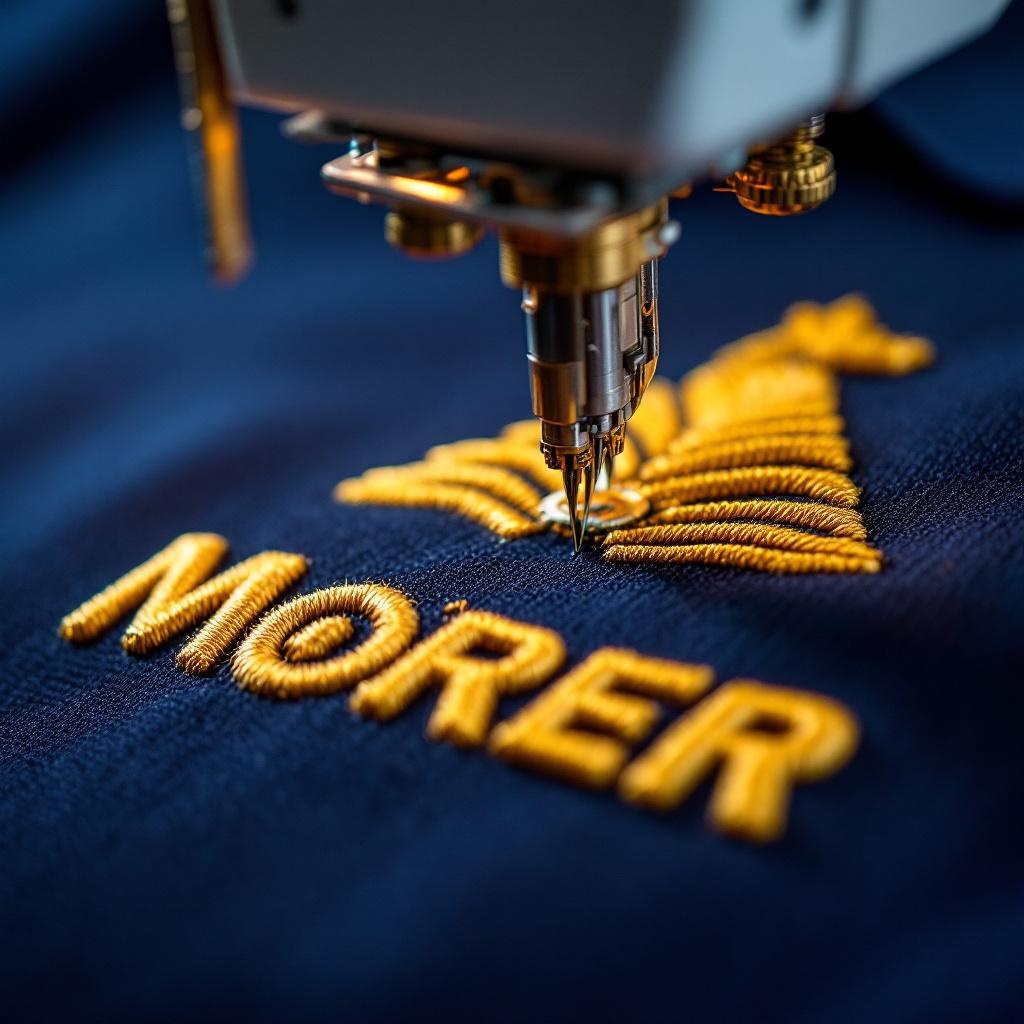
Embroidery uses thread, while screen printing applies an approved ink system. Compare the exact garment, artwork, placement, quantity, feel, care, setup, price, and production partner before choosing a method.
A program may use one method or more than one. Request product-specific recommendations and a current written quote. See the embroidery planning page and screen-printing planning page.
How Many Company Shirts Per Employee?
Set the quantity from each employee's schedule, laundering, climate, role, garment, replacement policy, and budget. Service life depends on the product, use, care, and manufacturer guidance. See how many shirts per crew member.
Why Company Shirts Matter for Trades and Service Businesses
A branded shirt can help customers identify a trades or field-service employee. It may support a consistent presentation, but it does not guarantee trust, sales, or any business outcome.
Beyond perception, branded shirts solve practical problems: identifying which sub a worker belongs to on a multi-trade jobsite, distinguishing apprentices from journeymen, and keeping crews looking professional even when the work itself is dirty. Per the OSHA heat exposure guidance, the right fabric weight and color for desert summer work matters as much as the branding.
Getting Started With Company Shirts
If you're outfitting a crew for the first time, four decisions to make before getting a quote:
- Garment type by role. Polos for client-facing, tees for field, work shirts for industrial laundry programs.
- Decoration method. Embroidery or screen printing — usually a mix.
- Quantity per employee. Set it from schedule, laundering, role, replacement policy, and budget.
- Reorder pattern. Compare bulk orders, planned batches, and a company-store configuration.
Need company shirts in Las Vegas?
Bighorn Threads manages apparel programs for Las Vegas businesses. Selected production partners handle approved decoration. Send your logo, product list, crew sizes, and deadline for a quote.
Get a Quote →