
Apprentice & Journeyman Uniforms: Differentiation in Crew Programs
A working playbook on visual differentiation in apprenticeship programs — IBEW, UA, ironworkers, merit shops, and how Vegas trade contractors mark training level via apparel.
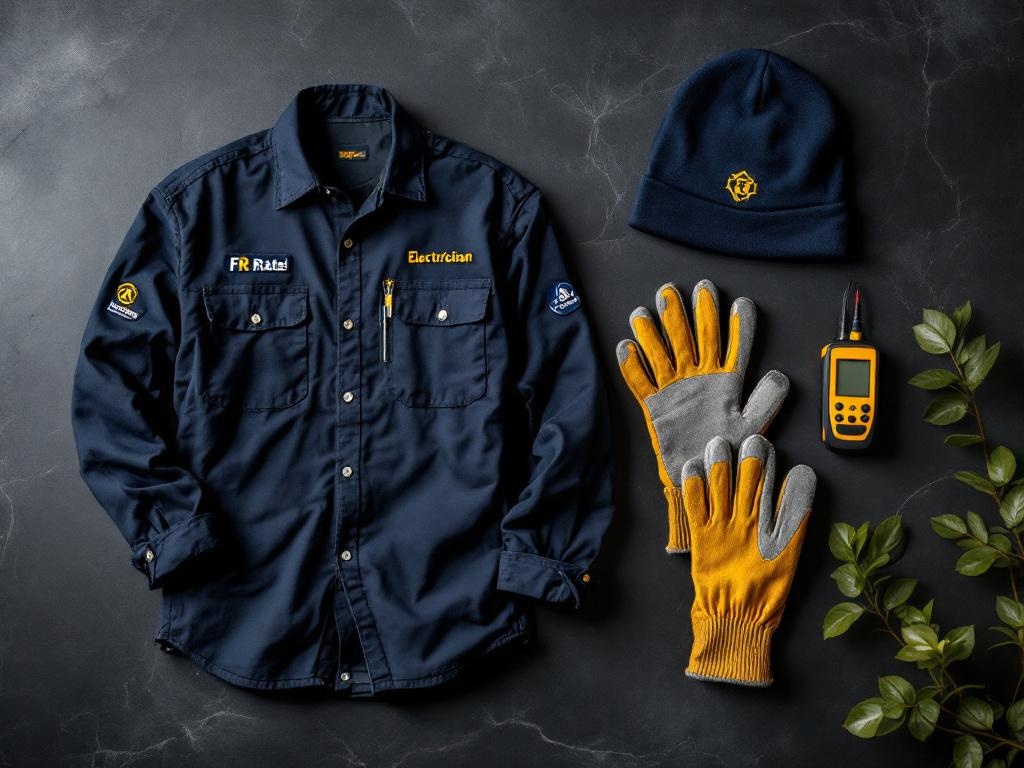
Why Apprentice/Journeyman Differentiation Exists
A visual identifier is optional and must never substitute for verified qualification, supervision, training records, access control, or the employer's safety program.
- Identification. An employer may use an approved identifier only as a communication aid under its written policy.
- Administration. Task assignment and supervision must use verified records and qualified leadership, not apparel markings.
- Recognition. Training, credentialing, and role requirements vary by trade, jurisdiction, employer, and program. Any visual system should reflect the employer's verified classifications and policy.
Union Apprenticeship Programs in Vegas
Training and apparel rules vary and change. Obtain the current written program guidance directly from the relevant organization before specifying any identifier or garment:
- IBEW Local 357: request current program and apparel guidance directly.
- UA Local 525: request current program and apparel guidance directly.
- Other apprenticeship programs: confirm current requirements directly with the program and employer.
Do not assume a local requires a specific shirt, title, color, or identifier. Obtain the current handbook or written program guidance before building the apparel specification.
Three Standard Differentiation Patterns
1. Year-Level Embroidery
An employer may consider an approved text label, but it must match verified records and current policy. It cannot establish qualification, authorize work, or replace supervision.
2. Sleeve Stripe System
An employer may consider an approved visual system if its written policy defines and maintains it. The identifier cannot establish qualification or authorize work.
3. Color Hierarchy
An employer may consider a shirt-color hierarchy if the program approves it. Hard-hat colors remain subject to employer and site policy, exact product selection, and current manufacturer instructions.
Merit Shop Adaptations
Non-union shops use the same logic with different titles. Common Vegas service-trade tier programs:
- Plumbing/HVAC service: Helper → Tech 1 → Tech 2 → Lead Tech → Master Tech
- Electrical service: Apprentice → Journeyman → Master → Foreman
- Roofing crews: Helper → Roofer → Lead Roofer → Foreman
- Concrete: Laborer → Finisher → Lead Finisher → Foreman
If an employer uses tier labels, they must match verified personnel records and current policy. A shirt does not prove a credential, license, qualification, or authority.
FR-Rated Apprentice Apparel
The employer's electrical hazard assessment determines whether arc-rated apparel is required and which rating applies. Any identifier requires current written manufacturer approval for the exact garment, thread, backing, method, and placement.
Welding apparel also depends on the employer's hazard assessment and task. Do not use a universal layering or decoration rule. Confirm the exact products and manufacturer instructions.
Related Reading
- Foreman & supervisor shirts: visual authority
- NFPA 70E FR shirts for Vegas electricians
- Welder uniforms and FR shirts
- Electrical contractor crew apparel
- Plumbing & HVAC crew apparel
Apprentice & journeyman programs in Las Vegas
Bighorn Threads manages tiered apparel programs for service trades. Selected production partners handle approved decoration. Employers and garment manufacturers define any FR requirements.
Get a Quote →