
Minimum Order Quantity for Embroidery and Screen Printing: What's Realistic
Why MOQs exist, what drives them, how to get small-batch work done when you genuinely need it, and how to optimize larger orders for better per-piece pricing.
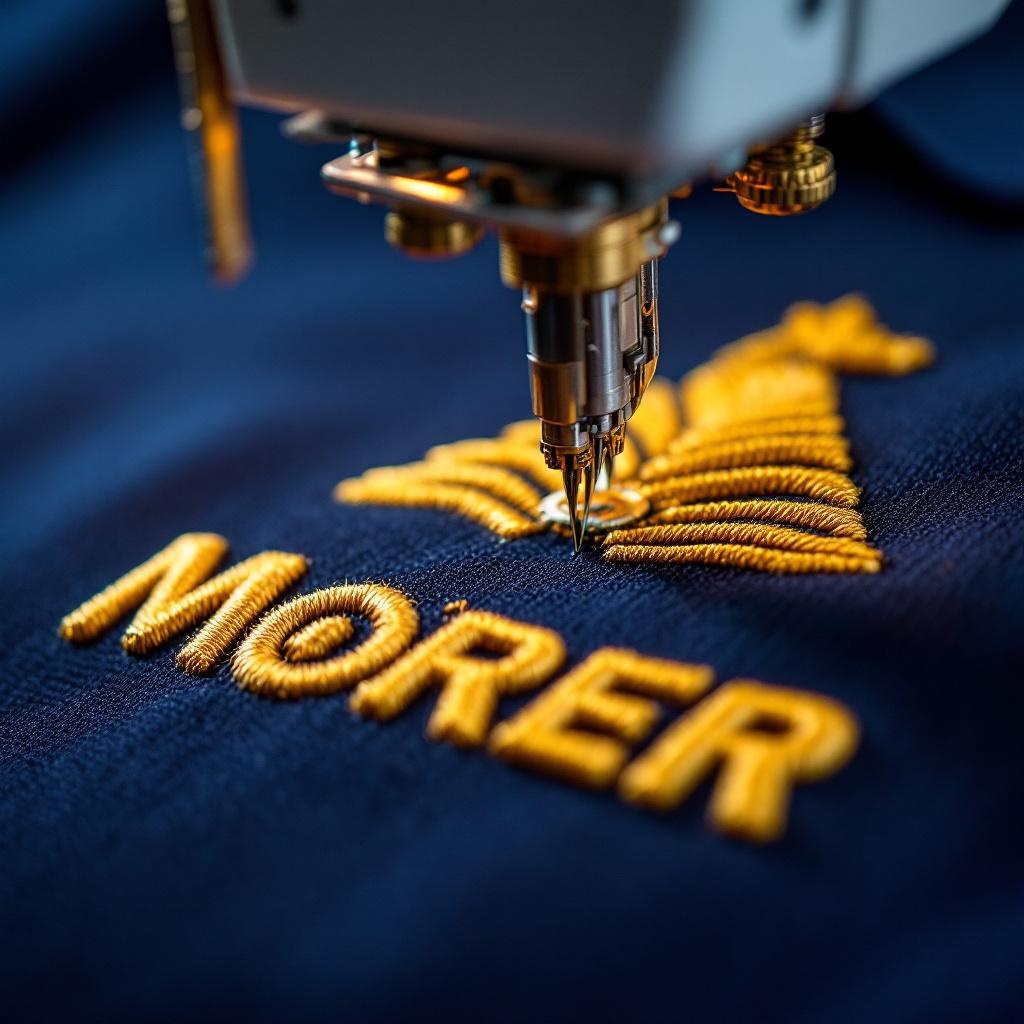
Why Minimum Orders Exist
Custom apparel decoration has fixed setup costs that happen once per run regardless of quantity:
- Digitizing converts approved artwork into an embroidery production file (see logo digitizing). Setup, reuse, and retention terms require confirmation.
- Screen preparation can require separate work for each color and run.
- Ink mixing (screen printing) — pantone color matching takes time and ink that isn't recoverable.
- Hooping / press setup — the machine has to be threaded, tensioned, and registered for each run.
- Color matching + proofing — making sure the output matches expectations.
Fixed setup work spreads across the approved quantity. The effect on unit pricing varies by method, artwork, and partner. Compare written quantity breaks when choosing between screen printing and embroidery.
Alternatives for Small Batches
For runs under the embroidery/screen-print MOQ, four alternatives have different economics:
Heat-Transfer Vinyl (HTV)
HTV is one method to compare for eligible garments and artwork. Setup, unit pricing, finish, detail, durability, compatibility, and care depend on the exact system, application, partner, use, and written quote.
Direct-to-Film (DTF)
DTF is another method to compare for eligible garments and artwork. Setup, unit pricing, color, detail, finish, durability, compatibility, and care depend on the exact system, application, partner, use, and written quote. See DTF vs. screen printing for how the two compare.
Sublimation (polyester only)
Sublimation transfers dye into compatible polyester material. The exact blank, color, process, care, minimum, and price require confirmation. Our sublimation printing guide covers when it fits.
Small-batch embroidery with surcharge
Some production partners may support small embroidery orders. Ask for the current minimum, setup, unit price, and any small-order charge in writing.
Optimizing Larger Orders for Better Per-Piece Pricing
Three patterns that capture volume discount without overshooting demand:
- Batch planned reorders. Compare written quantity breaks before increasing the order. Include expected usage and overstock risk.
- Standardize specifications. Reusing the same garment, artwork, and placement may reduce setup work. The quote confirms whether the partner can combine the run.
- Consider a company store. A program may organize employee orders around an approved catalog. Batch timing, pricing, inventory responsibility, and fulfillment depend on the written setup.
Other Cost Factors Beyond Quantity
Even within a single quantity tier, three factors move the per-piece price meaningfully:
- Stitch count or color count. A simple bold logo embroiders cheaper than a detailed multi-color one. A single-color screen print costs much less than a 6-color print. See how much to embroider a shirt for the full pricing breakdown.
- Garment cost. Basic and protective garments can have very different prices. Compare current quotes for the exact products.
- Decoration placements. A single left-chest logo costs less than a chest + sleeve + back combination because each placement is a separate press operation.
Need to figure out the right order size?
Bighorn Threads coordinates embroidery, screen printing, and other available decoration methods through production partners. The quote confirms the current minimum, setup, unit pricing, and any quantity break for the selected specification. See custom screen printing in Las Vegas for how print orders are quoted.
Get a Quote →